|
Motutapu Restoration Trust - Update 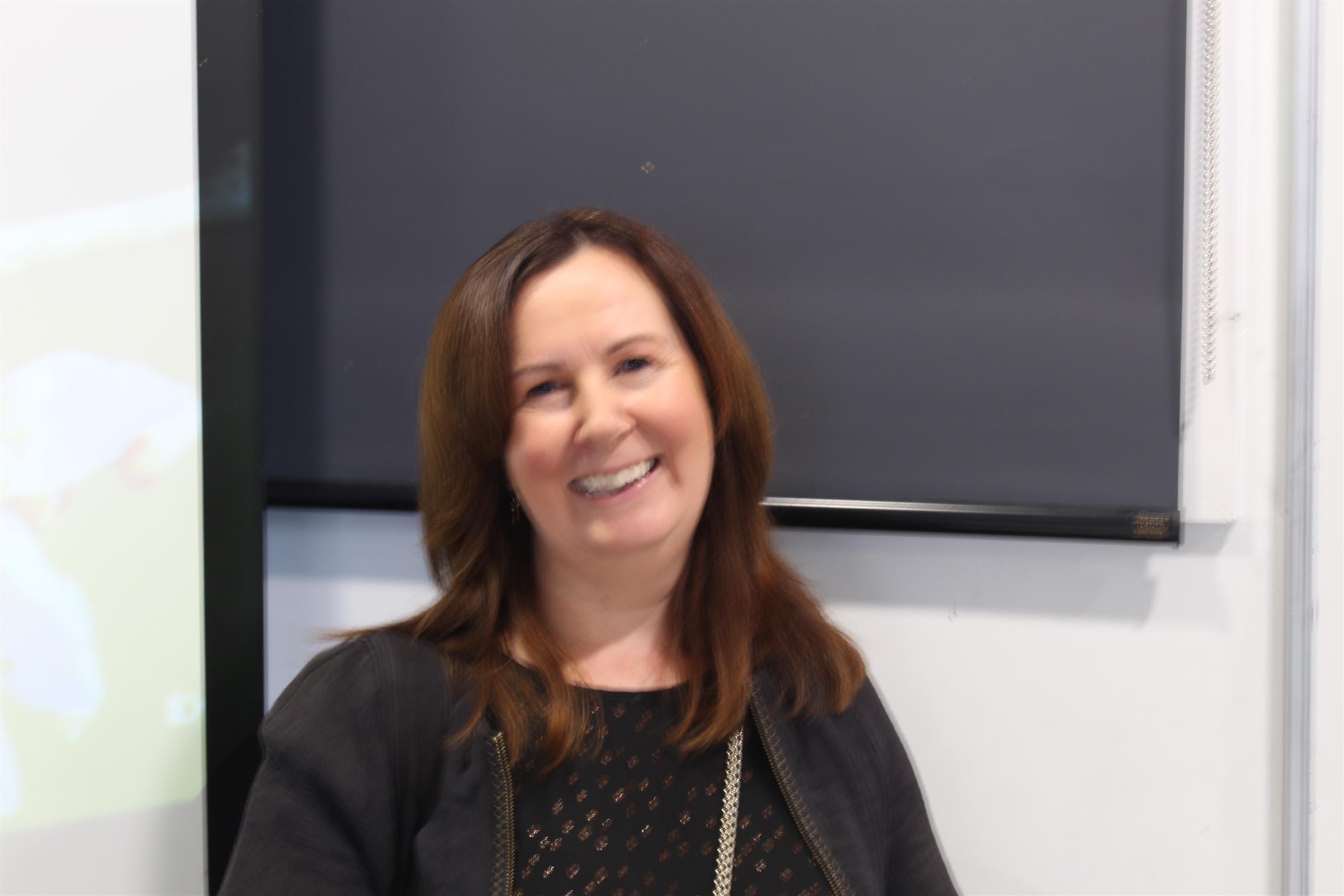
Chair of the Motutapu Restoration Trust Nathlie Morris was introduced to the meeting by President John Meadowcroft. Nathlie stepped in at the last moment when our original speaker withdrew due to ill health. Introducing Nathlie. President John noted our club's long association with the Restoration Trust and the Motutapu Outdoor Education Centre. He noted our clubs work on the Red Shed and the Centennial walkway amongst other things. Nathlie told us that her initial involvement with Motutapu started over 25 years ago with her involvement with the World Wide Fund for Nature. More recently when she departed the corporate world Nathalie became involved with the Restoration Trust and is now chair. Nathalie noted the island's hidden nature due to the lack of ferry services to the island. Having ferry's that only called at Rangitoto meant that visitors did not come in any great volumes off the ferrys. We were told about the reforestation project which has been responsible for planting in excess of half a million trees over a 30 year period. This reforestation, habitat creation and pest eradication has allowed the introduction of native wildlife to the island.
The reforestation project involves two phases: pioneer species and final phase trees. Pioneer trees create canopy cover, shading out grasses and weeds, while final phase trees are longer-lived giants. Seeds are eco-sourced from the islands or Auckland region and propagated in a nursery on the island. The nursery has undergone upgrades, including a new irrigation system controlled from the mainland. This summer's seed collection season is ongoing, with seedlings being propagated in a glasshouse.
Winter planting focuses on an area around a pond, important for habitat and water quality. Weed control is a significant focus, with efforts to reduce the number of edges in the planted forest areas. Dr. Shane Wright, the ecological advisor, emphasizes the importance of maintaining the forest. Nathlie showed us a photo of Motutapu from last year and compared it to one taken over 20 years ago which highlighted the significant forest growth over time. The change from bare pasture to flourishing forest is extraordinary.
Nathalie told us that Motutapu is part of the Save the Kiwi program, serving as an insurance population for the Coromandel Peninsula. The kiwi population on the island has thrived, with plans to start reintroducing kiwi to the Coromandel Peninsula. Kiwi have also been found on Rangitoto, with efforts to relocate them due to the challenging environment on that island. The island is also a successful breeding site for the takahē, with five chicks hatched last year. The work supported by sponsors, donors, and Rotary Clubs was acknowledged, highlighting the intergenerational legacy. Nathalie took time to acknowledge the work of our own Ian McKenzie, a former trustee who made a significant contributions to the project. |