
Motutapu Restoration Trust - Update
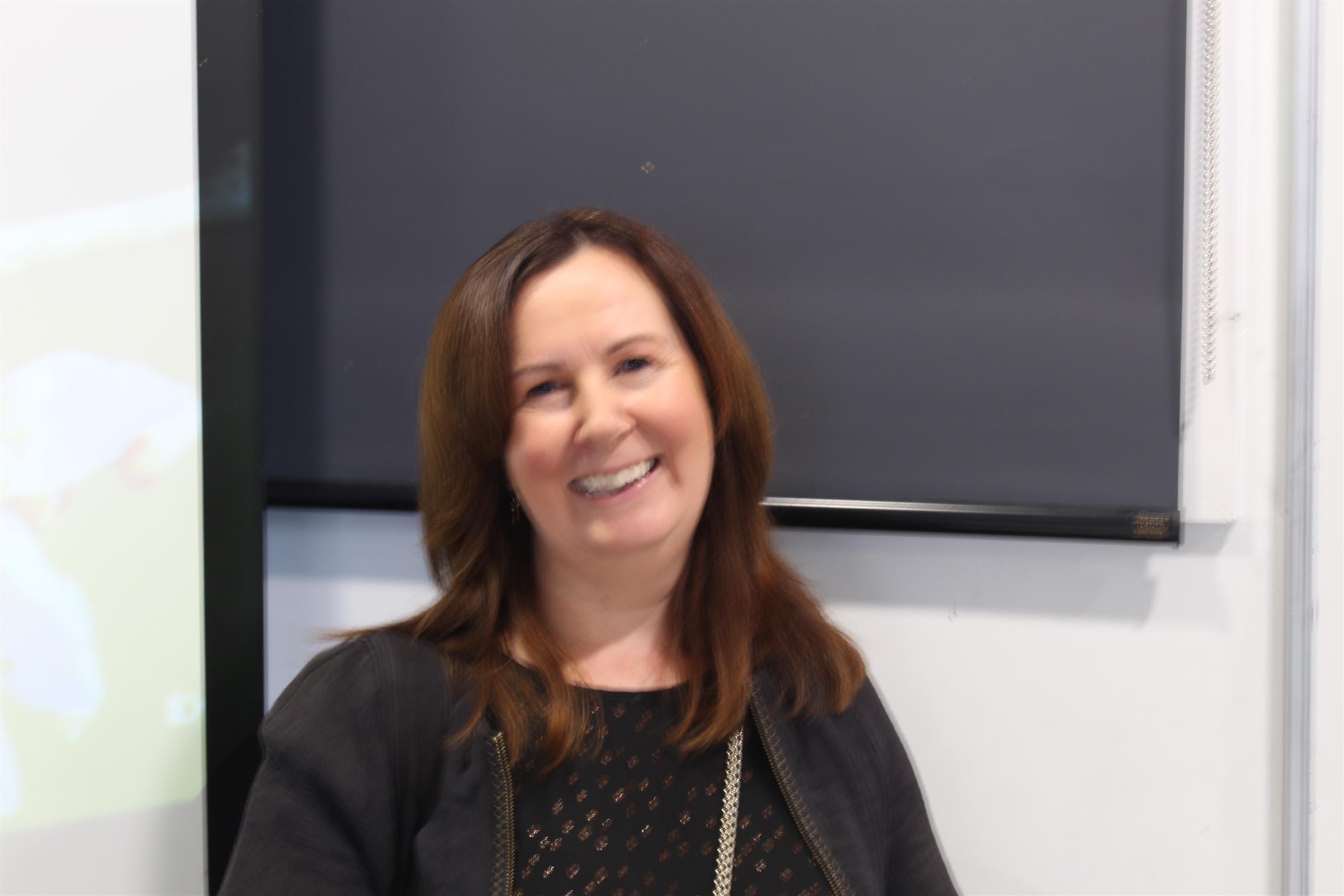
Chair of the Motutapu Restoration Trust Nathlie Morris was introduced to the meeting by President John Meadowcroft.
Nathlie stepped in at the last moment when our original speaker withdrew due to ill health.
Introducing Nathlie. President John noted our club's long association with the Restoration Trust and the Motutapu Outdoor Education Centre. He noted our clubs work on the Red Shed and the Centennial walkway amongst other things.
Nathlie told us that her initial involvement with Motutapu started over 25 years ago with her involvement with the World Wide Fund for Nature. More recently when she departed the corporate world Nathalie became involved with the Restoration Trust and is now chair.
Nathalie noted the island's hidden nature due to the lack of ferry services to the island. Having ferry's that only called at Rangitoto meant that visitors did not come in any great volumes off the ferrys.
We were told about the reforestation project which has been responsible for planting in excess of half a million trees over a 30 year period. This reforestation, habitat creation and pest eradication has allowed the introduction of native wildlife to the island.
The reforestation
Seeds are eco-sourced from the islands or Auckland region and propagated in a nursery on the island. The nursery has undergone upgrades, including a new irrigation system controlled from the mainland. This summer's seed collection season is ongoing, with seedlings being propagated in a glasshouse.
Winter planting focuses on an area around a pond, important for habitat and water quality. Weed control is a significant focus, with efforts to reduce the number of edges in the planted forest areas. Dr. Shane Wright, the ecological advisor, emphasizes the importance of maintaining the forest. Nathlie showed us a photo of Motutapu from last year and compared it to one taken over 20 years ago which highlighted the significant forest growth over time. The change from bare pasture to flourishing forest is extraordinary.
Nathalie told us that Motutapu
Nathalie took time to acknowledge the work of our own Ian McKenzie, a former trustee who made a significant contributions to the project.
Nathalie noted that our club and associated trusts provided funding to replace a volunteer transport vehicle. The importance of volunteer transport vehicles for the volunteer program as it enables volunteers to get from the Rangitoto wharf to the areas where work is being undertaken quickly and efficiently.
Nathalie told us that the centennial track is highlighted as an important way for visitors to experience the regenerating forest. Recent storm events have required repairs to the track, and ongoing maintenance is crucial. We were told that the government's International Visitor Levy funding is being used to upgrade the wharf and ablutions block. Plans for ecotourism on the island include providing Airbnb-type accommodation for visitors. The trust's concession to operate Red Homestead as a visitor center is up for renewal next year. It seems that it will be renewed. The vision is to create a comprehensive visitor center that tells the history of the island and its ecological restoration work.
Nathalie told us that the trust is working with DOC and Ngai Tai to develop this project.
She also told us that the increased visitation to Home Bay makes the track a crucial asset for experiencing the ecological restoration work. A track maintenance plan has been developed, defining responsibilities and maintenance schedules. The centennial track is divided into sections: road, watershed, and loop. The trust is open to discussing with Rotary Clubs how they can be involved in track maintenance. Potential involvement includes transport, tools, and equipment, with ongoing support from manufacturers.
Rotary clubs, including the Rotary Club of New Market, have previously been involved in planting areas on the island. Adopting these areas for weeding could be a future involvement opportunity. Apparently, weeding is a fun and rewarding activity, providing a good day out for volunteers. The trust is open to discussing how Rotary Clubs can support these efforts. Nathalie emphasised the historical association with the creation of the track and the ongoing importance of maintaining it.
Nathalie told us that there are upgrades to the nursery irrigation system, including plans for further upgrades later in the year. The nursery shade house and standing out bays are also being upgraded, with plans to replace the weed mat in some areas to reduce weeding. The volunteer accommodation at the nursery, which is built on the site of an old school, is being upgraded, including painting and other maintenance work.
Nathalie spoke to the relationship with Ngai Tai. She took over as chair in December last year and has been working to build a constructive relationship with the Iwi. A number of wo
Nathalie's presentation was well received by members and resulted in a spirited question and answer session.