banner
13 May 2025
Please remember that some devices will limit the length of the email you see. 
Tap the "View Entire Message" to view the whole newsletter.
Editors Comment
Circus Quirkus is almost upon us. 
 
From Scott
 
The event takes place Sunday 1 June 2025 at the Due Drop Centre,  770 Great South Road, Wiri, Manukau.
 
We will be allowed access from 11am.
 
There will be two shows, 1pm and 4pm.
 
Scott has circulated a list of the allocated jobs. It is just a guide and you are encouraged to help out wherever needed during the day – so please don’t feel that you are stuck in the job allocated all day. Some areas will be busy at times and not at other times. If you see an area needing more help and your area is quiet, please feel free to offer to help out.
 
Also, for Newmarket Rotary members, please remember to bring a plate for the Volunteers Canteen.
You can wear whatever you want but you might like to wear something fun and colourful in keeping with the event.
 
 
President's Notes 
 
From President John Hawke
 
Well, that was a big Tuesday night, updates from RYPEN here and in Fiji , an update from last years Rotary Club of Newmarket Environment award and the presentation of this year's award. Circus Quirkus is well over the horizon on the 2nd of June.
 
I get tired thinking about all of this!
 
As I noted last week is a lot happening in the next few weeks so keep an eye on Rapport and watch your emails for event notifications.
 
President John
 
 
Club News and Notices
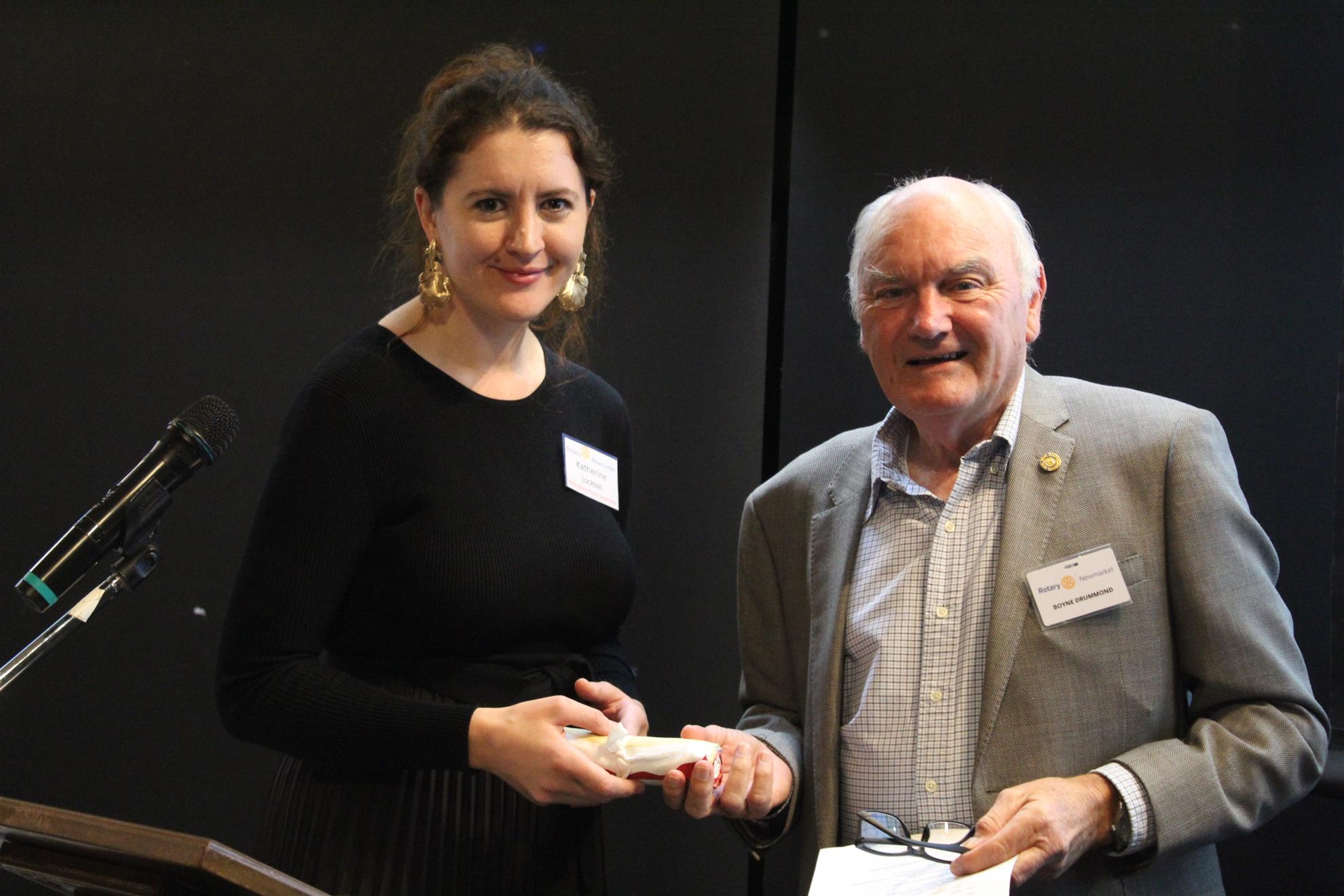
Kate Lockton 
 
 
Kate was last years awardee of the Rotary Club of Newmarket Environment Award.
 
She spoke to us about Milky-White Flesh Syndrome in Snapper.

The syndrome is the focus her PhD research.

The condition is predominantly found in the Hauraki Gulf and affects the appearance and health of snapper.

She pointed out the physical differences between healthy and affected fish, noting the white and mushy flesh of affected fish in comparison to the translucent and healthy appearance of the healthy fish.

Kate showed us a visual comparison of three snapper fish, ranging from severe Milky White flesh to healthy.

The affected fish are noted to be significantly skinnier and have reduced gonads, indicating reproductive issues.

Nutritional differences between affected and healthy fish were identified, with affected fish having lower levels of carbohydrates and lipids.

Kate said she was collecting blood samples to identify markers between healthy and affected fish, which will aid in aquarium recovery work.

Kate explained the importance of nutritional analysis, having collected 100 snapper tissue samples to build a nutritional profile.

Affected fish were found to have lower levels of carbohydrates and lipids compared to healthy ones. Blood collection is seen as a crucial step in identifying markers between healthy and affected fish.
The blood samples will be used to measure conditions and assess improvements during aquarium recovery work.
 
Kate outlined the goals of aquarium recovery work, which involves catching live animals and observing them in aquaria for two months. The aim is to improve the condition of affected fish through nutritional means and to measure improvements using blood tests.
 
Kate concluded by thanking those involved in her research and for their support;
 
Karla Butcher• 

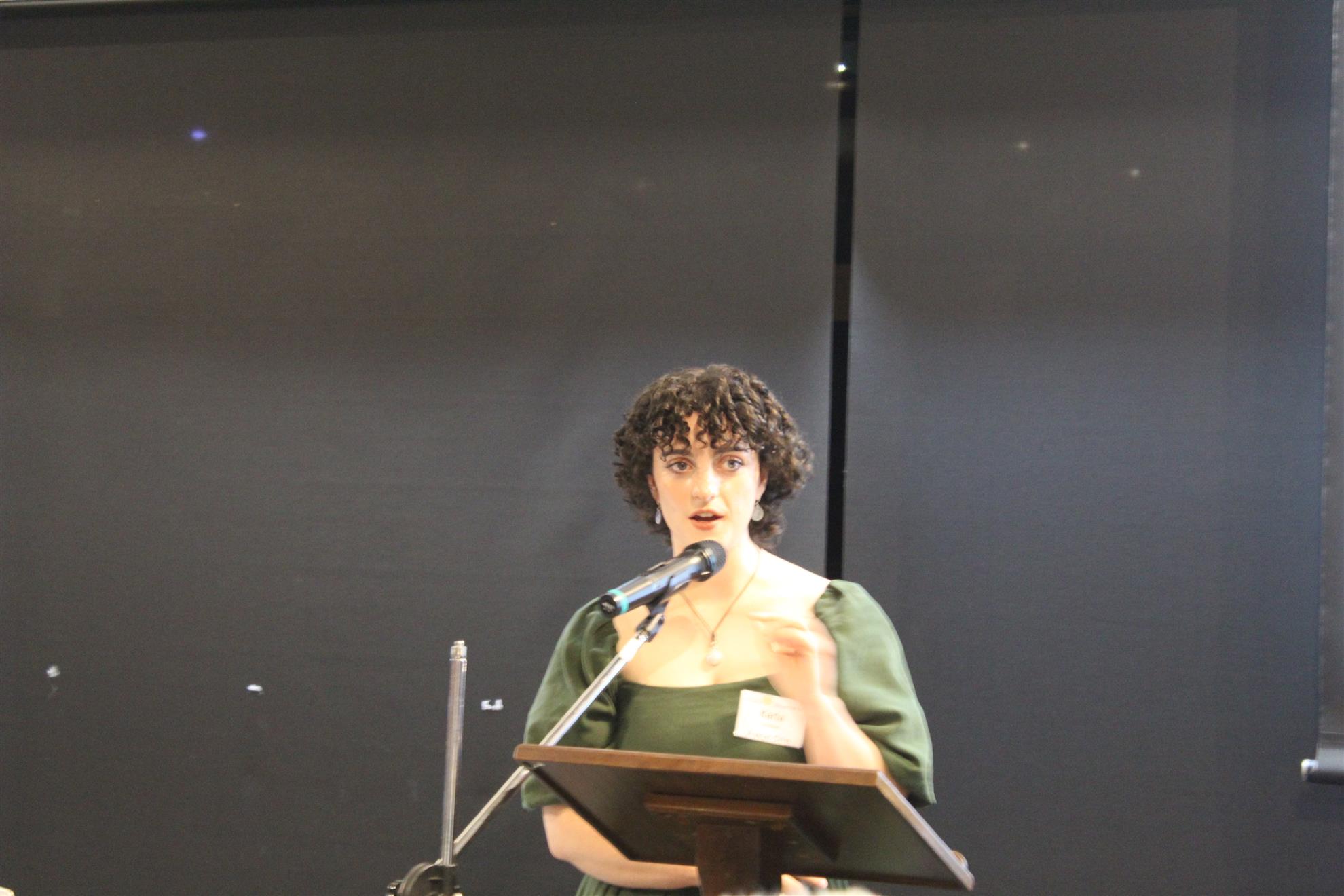
John Graham introduced Carla Butcher this years awardee of the Rotary Club of Newmarket Environment Award. He highlightedng her qualifications, research experience, and current master's study in biosecurity and conservation at Auckland University.

Karla spoke to her master's research on regional biosecurity for the Hauraki Gulf, focusing on potting mix and potted plants.

She thanked her supervisors for their support and outlined the structure of her address, including the importance of regional biosecurity and the methods she will use.

Karla explains the concept of invasive species and the importance of preventing species introductions, as eradication is more difficult and costly. She went on to tell us about the process of species arrival, establishment, and spread, and the role of vectors and pathways in introducing non-indigenous species.

Karla discussed the national biosecurity measures in New Zealand, emphasizing the role of the Ministry of Primary Industries in preventing international species introductions. She highlighted the importance of regional councils and the Department of Conservation in managing regional spread once species have arrived.

Karla went on to describe examples of the impact of invasive species on native ecosystems, such as the Hihi and Kokako native songbirds and sea birds that nest in burrows. She explained the high risk of biological invasions from increased plantings, particularly through the use of potting mix and soil, which can transport invasive species.

Karla outlined her methods for assessing the risk to the Hauraki Gulf, including molecular ecology techniques like DNA.

She explained the concept of propagule pressure, which includes the number of individuals arriving, the frequency of invasion events, and the physiological condition of the species. She also discussed the importance of restoration plantings in creating healthy ecosystems but also the risk of introducing invasive species.

Karla provided examples of invasive species found in nurseries, such as big mats of weeds, spiders, and plague skinks, and the role of Auckland Council in managing these risks.

Karla described Auckland Council's plant pass system, which is a voluntary program for nurseries to be registered and follow biosecurity protocols. She explained the pest-free operator program for transporting plants and the challenges of ensuring compliance.

Karla highlighted the issue of invasive species found in plant pass nurseries and the need for better monitoring and data collection.  She then went on to outline her research plan, including sampling potting mix and plants from various locations, and the use of eDNA to identify invasive species.

Karla discussed the challenges of testing the assumption that potting mix is sterile and the need for thorough checks on bulk plants. She described examples of her research sites and the importance of sampling from both mainland and offshore islands.
 
Karla told us of her mobile lab and the process of taking eDNA samples from potting mix and then commented on the implications of her research for Auckland Council and the broader biosecurity efforts in New Zealand.
 
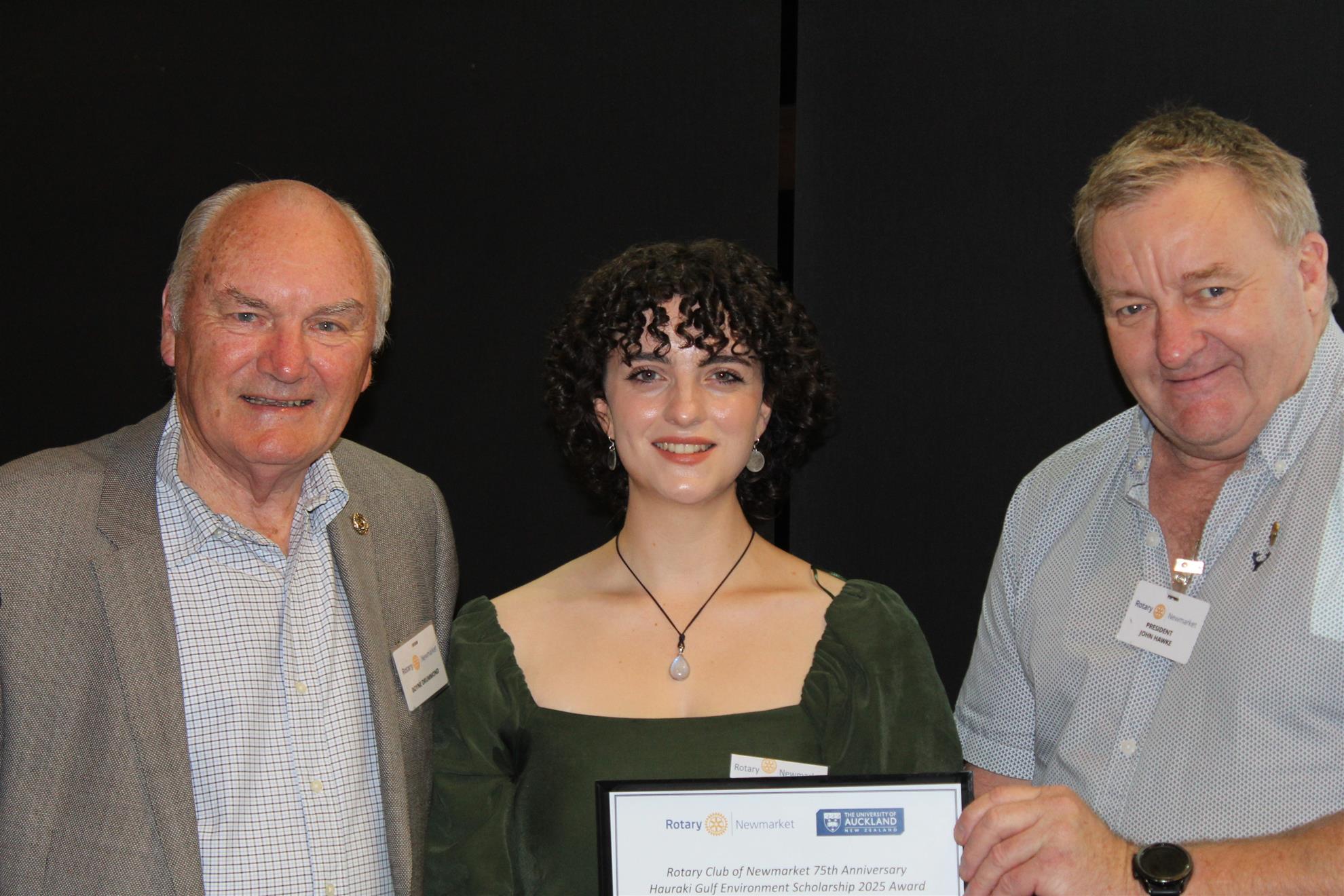
At the conclusion of her address the Karla was thanked for her presentation and then officialy received the club's environment award from Boyne Drummond and President John Hawke.
Fiji RYPEN
 
The first of hopefuly many.

Kelly Botha introduced the meeting to the event and the video  that was used to share the recent trip by past RYLARians to Fiji and the RYDA program delivered there.
 
Apologies were extended from team members who couldn't attend due to illness, including Caitlin who has a sprained ankle.
 
The event was framed around the Rotary Club of Suva's leadership development program for youth facing a cultural disconnect.
 
The contrast between the idyllic image of Fiji and the realities faced by its citizens, including poverty, stray dogs, and dilapidated infrastructure.
 
A team of eight from New Zealand, all experienced in RYLA or RYPEN programs, staying in a remote part of Suva at the MOS retreat.

The team faced numerous challenges, including delayed travel arrangements due to bad weather in Wellington, leaving them to adapt with limited connectivity.
 
Cultural differences and the concept of "Island time" posed additional challenges, especially with the Fijian students.
 
River crossings and engaging students in reflection sessions were also difficult, with frequent changes to the program schedule.
 
On day two, the team decided to shift from reflection to connection, immersing the students in traditional customs and the life of Fiji.

The day began with adventure-based learning similar to RYLA, followed by engaging students with the local environment.
 
Activities included free time for sports like touch rugby or volleyball, a trip to the river, and a cultural experience with local village performances and dancing.
 
Despite the challenges, the program was a success, with students expressing a desire for the program to be extended and for more opportunities to build relationships and skills.

Feedback from the students highlighted their appreciation for the program, new relationships formed, and the opportunity to build confidence and skills.
 
The experience in Namosi village helped students connect with their culture, appreciate the natural environment, and build lasting relationships with peers from rival schools.
 
The unique shared experience enabled students to overcome differences, understand themselves, and develop into strong future leaders.
 
The team was honored by the people of Namosi for their hospitality and kindness, making the experience a once-in-in-a-lifetime opportunity for the volunteers.
 
The team will now reflect on how to support the ROTORACT Track Team in Fiji, having handed over the RYPEN program to them.

RYPEN NZ
 

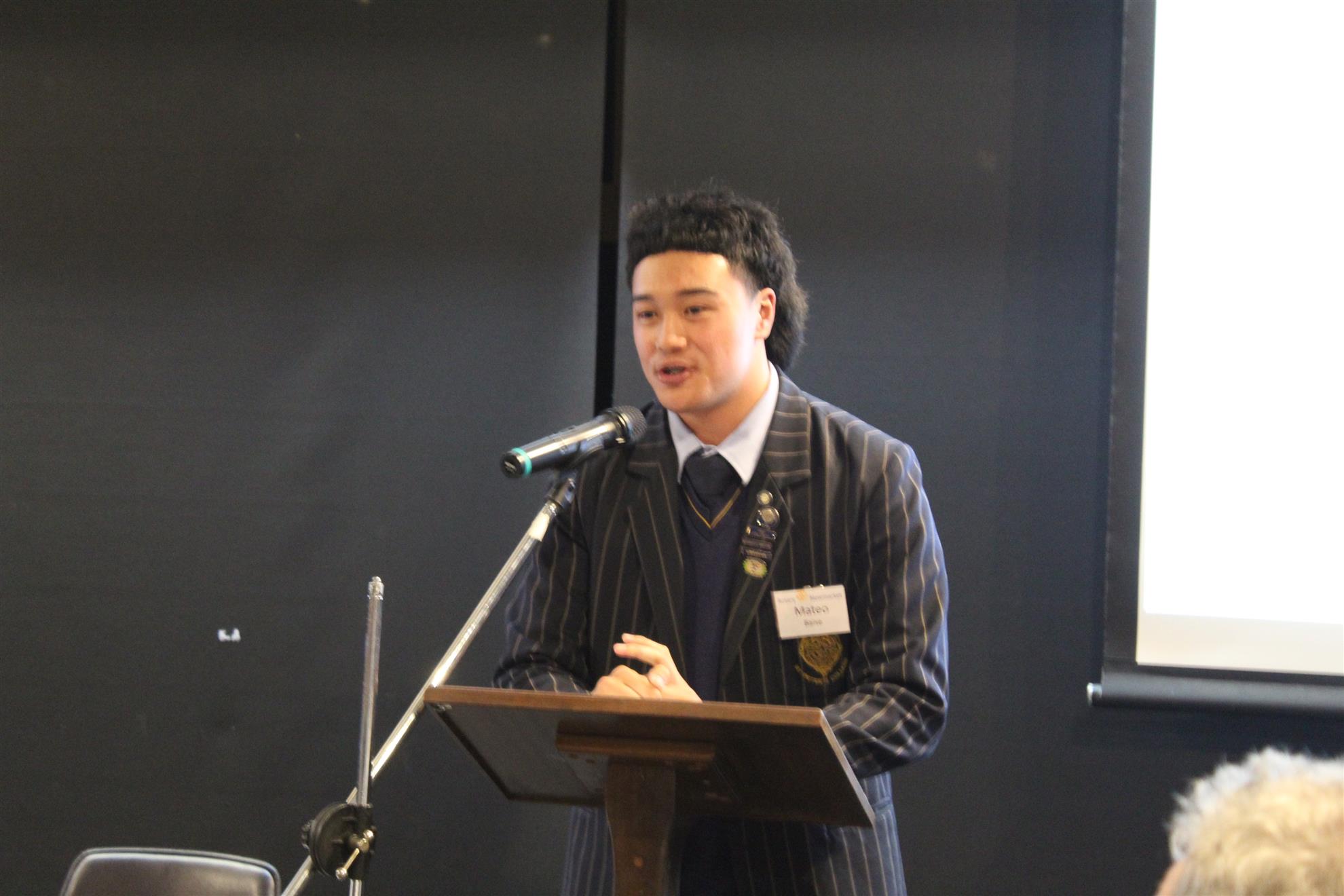
Mateo Base from St Peters College told us of his experience at the RYPEN Camp in Auckland

He shared his appreciation of participating in the Raiplin camp and expressed regret for the absence of their teacher, Mr. Devesh Umar, and his RYPEN partner, Martel Herrera.

The camp was described as a great way to connect with various schools, and initially, they had no idea what to expect.
 
Upon arrival at Kokako Lodge, they were greeted by Ayni and the support team, who made them feel welcome.

Mateo noted the camp allowed them to connect with schools they never thought they would interact with, leading to a memorable experience.
 
Mateo told us that he initially thought leadership was a personal journey but learned it involves supporting those around you.

He was proud of his colleague Martel, who stepped out of his comfort zone and showed significant growth.

In fact Martel, who was not very social at their school, demonstrated his ability to push himself at the camp.

The camp included disciplinary personal training sessions due to misconduct, but the activities like rock climbing and raft-building emphasized the need for a systematic approach to leadership.

Mateo observed that some people tried to lead without a method, which did not yield positive results.

He commented that effective leadership involves gathering everyone's input, similar to a democratic approach, to produce a collective outcome.

The camp activities highlighted the importance of having a plan and method to lead others successfully.

Mateo in conclusion expressed gratitude to Ayni and the RYPEN team for the opportunity and blessed them for being so supportive.
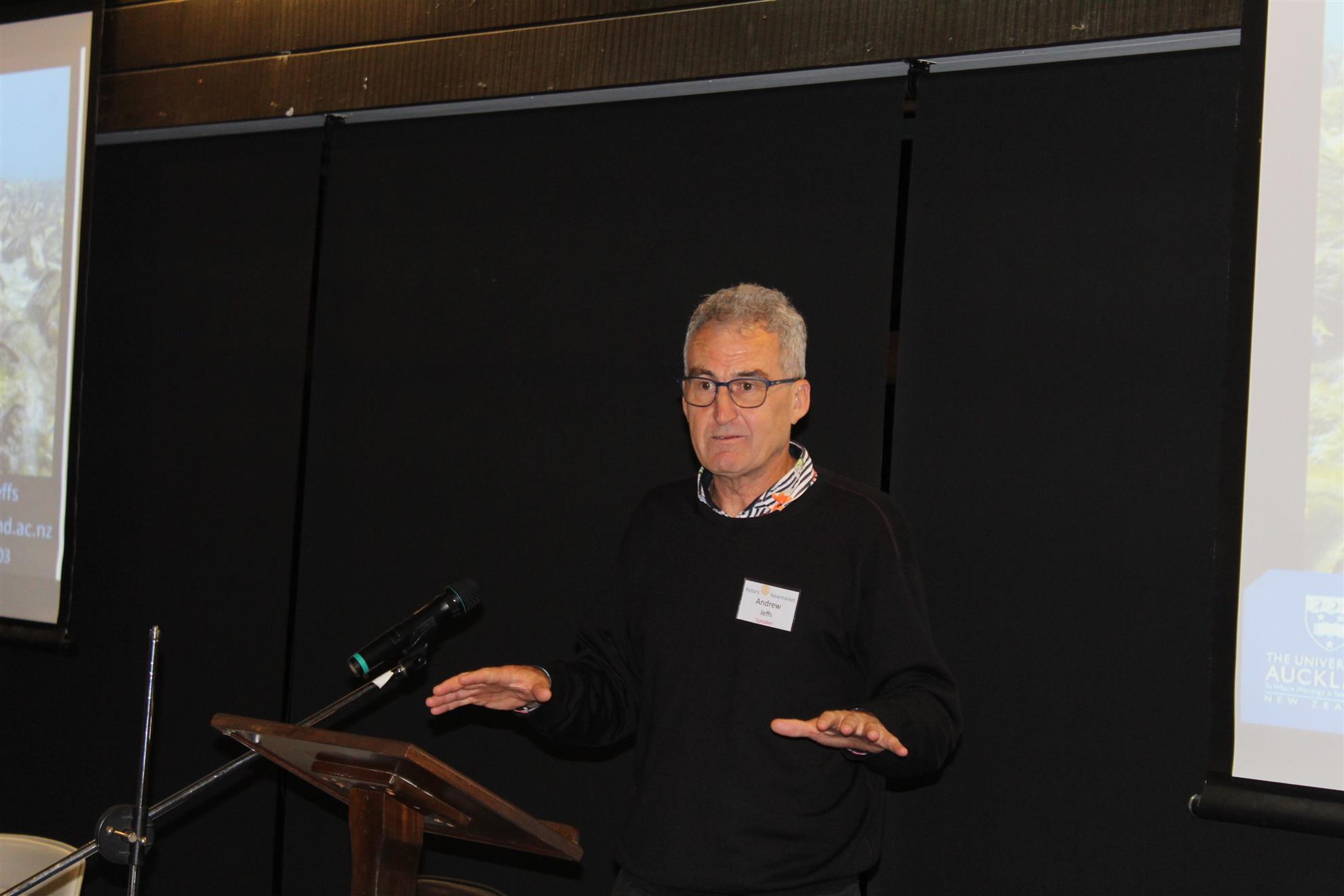
Professor Andrew Jeffs was the final speaker of a busy night...
 
 
Andrew, who is well-known to the club is a professor at Auckland University and works in the Institute of Marine Science at Auckland University he discussed the Caulerpa problem and other environmental issues in the Hauraki Gulf.
 
Andrew gave us an update on the Caulerpa problem, which was first discovered in 2021 in the Great Barrier Island and Kiwi Bay in the Bay of Islands.

The seaweed species, which originated from eastern Australia and the Pacific, has spread rapidly, posing a serious threat to the coastal ecosystems.  The Caulerpa problem is estimated to cost the country $9 billion in lost economic productivity.  It is a serious problem.

The government is funding testing systems to control the spread, including a pilot project using chlorine to kill the seaweed.
 
Andrew told us about the significant impact of Caulerpa on coastal ecosystems, including the destruction of kelp forests and the overpopulation of sea urchins.

The government has implemented restrictions on crayfish capture in the Hauraki Gulf to allow the crayfish population to recover and control the sea urchin population.

The Minister of Fisheries announced plans to extend the crayfish capture ban along the northeastern coast to protect the ecosystem.

The government is also considering establishing marine protected areas in the Hauraki Gulf to address overfishing and environmental pressures.

Andrew highlighted the government's efforts to address environmental issues in the Hauraki Gulf, including the introduction of legislation for marine protected areas.

Waiheke Island Community group's proposal for a marine reserve in Waiheke is still under consideration by the government.

Andrew encouraged us to watch the documentary "David Attenborough: A Life on Our Planet," which highlights the global impact of environmental degradation on marine ecosystems.

Andrew commented that despite the proposed marine protection in the gulf he could not understand the government's decision to allow bottom trawling in the Hauraki Gulf despite community opposition.
 
All in all Andrews address was a bit depressing especially with respect to the effect and impact of caulerpa on the marine environment..
 
As ever Andrew's addresses to the club were insightful and gave us all food for thought.
 
 
Circus Quirkus
 
 
Another reminder of Circus Quirkus, our major fund raiser for the year.  It is on Kings' birthday weekend so put the event into your diary now.
Upcoming Events
Breakfast Meeting
One Tree Hill College
May 20, 2025
8:00 AM – 9:30 AM
 
Lunch Meeting
Epsom Community Centre
May 27, 2025
12:30 PM – 1:30 PM
 
Circus Quirkus
Due drop event centre
Jun 01, 2025
9:00 AM – 6:26 PM
 
No Meeting: Monarch's Birthday
Jun 03, 2025
 
Dinner Meeting: Oncology Celebration
Remuera Golf Club
Jun 11, 2025
6:30 PM – 8:30 PM
 
View entire list
Please add mailservice@clubrunner.ca to your safe sender list or address book.
To view our privacy policy, click here.
 
ClubRunner
102-2060 Winston Park Drive, Oakville, ON, L6H 5R7