|
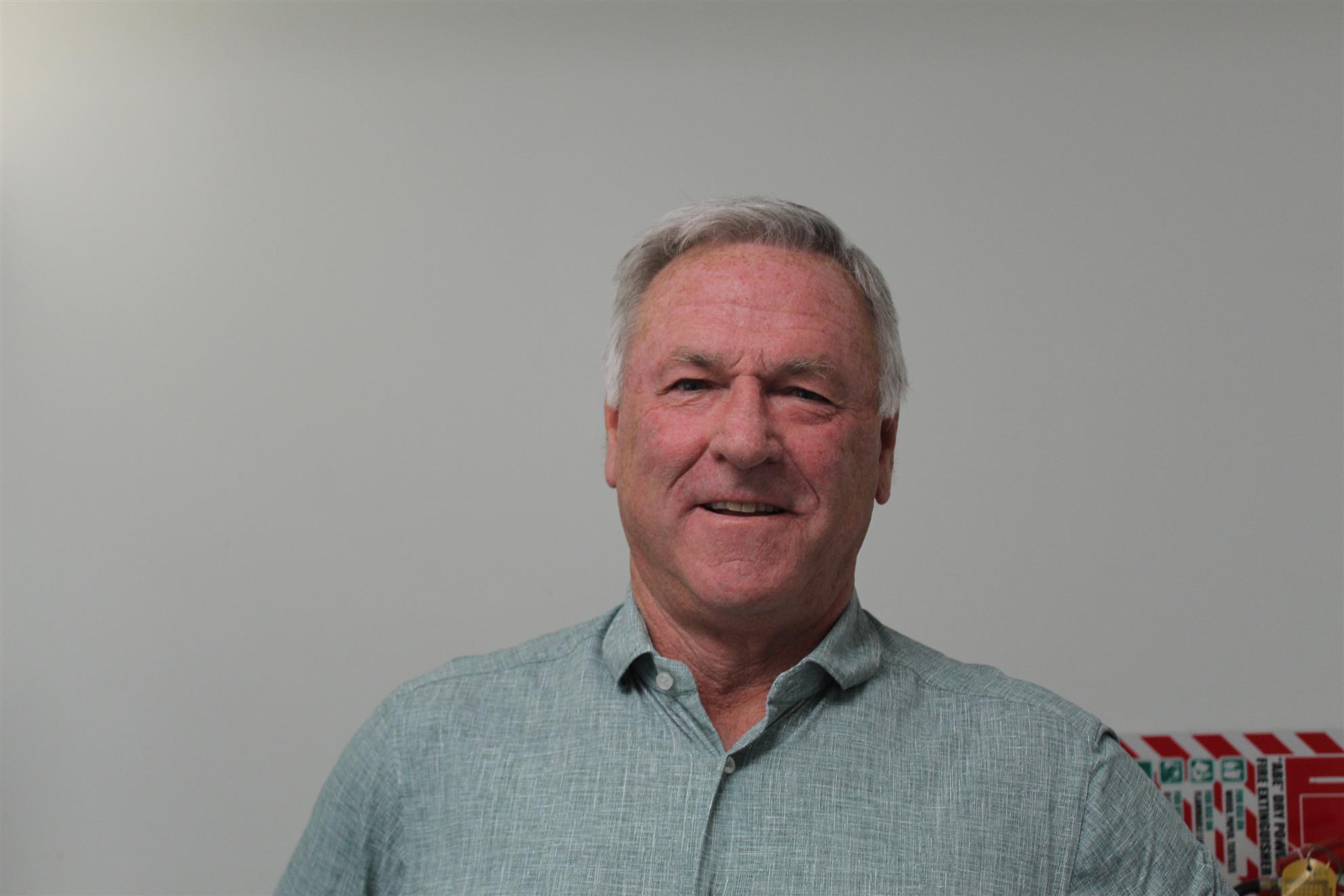
Phil Lyons - CEO Trees for Surviva l Our Speaker on Tuesday 2 September 2025 was Phil Lyons, CEO of Trees for Survival. Trees for Survival is a Charitable Trust supporting schools to grow and plant native trees to restore our environment. In opening, Phil apologised for an earlier non-appearance, as he was ill at the time. He noted that he had put himself into quarantine due to his children being sick to avoid a repeat of his earlier non-appearance.
Phil drew attention to the changes that have happened in our climate in the past 60 or so years, noting the increase in carbon dioxide levels from 319 to 425 parts per million over 62 years and the impact of human activity on the planet, including the extinction of flora and fauna. Phil commented that there was an annual loss of 15 billion trees globally and the impact of deforestation in New Zealand. He acknowledged the complexity of environmental problems and the need for economic development while preserving the environment. Turning to the Trees for Survival program Phil gave us some detail about the program emphasizing its role in planting trees and reforestation. He outlined the program's structure, including background information and the unique relationship with Rotary. He noted that the program has been operating for 33 years. Having set out the back gorund Phil went on to talk about the Trees for Survival program noting its support for schools, including seedlings, shade houses, and educational resources. We were told that the number of schools supported is 230 across the country and that it will be increasing to about 260 schools which in turn puts pressure on funding. Phil also told us about the process of seed collection, germination, and distribution to schools. He went on to discuss the impact of the program, including the number of plants planted and students involved over the past three years. Phil went on to talk about Rotary's role in establishing and supporting Trees for Survival. He noted the support provided by Peter Taylor and Dennis Waller. Phil then moved on to talk about the future plans for planting, including the goal of planting 176,000 plants this year. He noted the use of a carbon calculator to measure the program's impact on carbon removal. Phil emphasised the importance of community-based support and partnerships and then acknowledged the contributions of various sponsors and partners, including Auckland Council. The point was made that there is a real need for the support the program has to continue so it can be sustained. Phil then talked about the alignment of Rotary and Trees for Survival, noting that both have similar outcomes in environmental and social impacts. ◦ Rotary's focus on planting and its positive impact on climate and waterways was highlighted. Also highlighted were the impacts of the program on community economic development, basic education, and health and wellbeing, Phil told us about a planting day in June, emphasizing the benefits of getting young people engaged in nature. Phil gave us a snapshot of the impact Trees for Survival will have over the next five years, involving 260 schools. ◦ Each school will plant an average of 771 native plants, totaling over a million plants by 2030. ◦ The economic contribution of the program is significant, with $1.5 million spent in local communities on nurseries and supplies. ◦ The program will contribute $3.3 million in wages over the next five years, benefiting local economies. Phil moved on to Rotary involvement. There are 28 clubs from 9920 involved in the program and a further 9 clubs outside the district. ◦ There is a slight decrease in clubs annually, with some clubs merging or closing. ◦ Each club contributes $690 per school, with a total cost of $7 GST per tree. ◦ The most prevalent contribution from clubs is planting days, with some clubs also supporting transportation. A modest proposal. In closing Phil proposed a five-year national campaign for Trees for Survival, involving 20 planting sites nationally. ◦ The campaign would include a national promotional campaign and community participation during the planting season. The aim of the campaign being to improve awareness, bring people into Rotary, and identify potential sponsors. Phil suggested 200 clubs could contribute $500 annually to the campaign budget. The conversation then moved to funding. Trees for survival has various funding streams including philanthropic, corporate, and community funding. Phil emphasised that it is important not to rely solely on government funding.
Finally, Phil noted the support that Trees for Survival has had from John Hawke who until recently has been a stalwart at plantings. An interesting session on a subject dear to many member's hearts. |